











Earnings Season Turmoil: Workday Slides on AI Fears, Lucid and HP Sink
Global stock markets turned volatile on February 24-25, 2026, as fresh earnings reports sparked sharp selloffs in major tech and auto stocks. Investors reacted quickly after Workday, Lucid Group, and HP Inc. posted mixed results and cautious outlooks. Workday shares slid as rising AI spending raised concerns about future margins.
Lucid fell amid ongoing losses and cash burn, reviving concerns about EV profitability. HP also dropped after issuing soft guidance despite beating revenue estimates. These moves reflect a deeper fear spreading across Wall Street. Many investors now question whether heavy AI investment, weak demand, and tight financial conditions could slow growth in 2026.
As earnings season heats up, market sentiment remains fragile, preparing for more sharp moves ahead.
Why This Earnings Season Is Triggering Market Volatility?
The earnings season of February 2026 has turned unusually volatile. Several high-profile companies posted mixed results. Investors focused more on future guidance, rising costs, and AI spending risks than headline profits.
February 24-25, 2026, heavy selling hit tech and EV stocks. Workday, Lucid Group, and HP Inc. all dropped sharply in after-hours trading. Weak outlooks, rising expenses, and uncertain demand caused sudden panic.
Key reasons behind the turmoil include:
- Rising AI development costs
- Slower enterprise spending
- Weak consumer demand for EVs and PCs
- Ongoing supply chain and tariff pressure
These factors combined to trigger sharp price swings across US equity markets.
Workday Slides Nearly 10% as AI Fears Eclipse Strong Q4 Results
What Happened to Workday Stock on February 25, 2026?
Workday shares dropped nearly 10% after hours on February 25, 2026, despite posting better-than-expected earnings. Investors reacted negatively to lower subscription revenue guidance and rising AI costs.
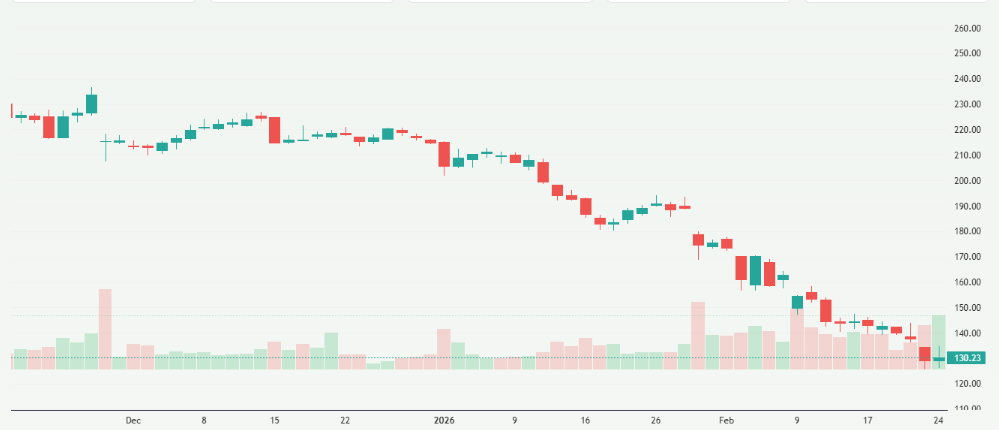
Q4 FY2026 Results:
- Revenue: $2.53 billion, up 14.5% YoY
- EPS: $2.47 vs $2.32 expected
- FY2027 subscription guidance: $9.93B vs $9.99B expected
Why are Investors Nervous About Workday’s AI Strategy?
Workday is investing heavily in agentic AI, which automates HR and finance workflows. While this boosts efficiency, investors fear it could reduce long-term software license demand.
CEO Anil Bhusri confirmed higher AI development spending and slower margin growth. Workday also announced 400 layoffs to realign operations.
Investors worry that AI automation could cannibalize traditional SaaS revenue models, especially in enterprise software.
Workday Stock Snapshot – Meyka Analysis
Ticker: WDAY
Trend: Bearish short-term
Support Zone: $215 – $220
Resistance: $240
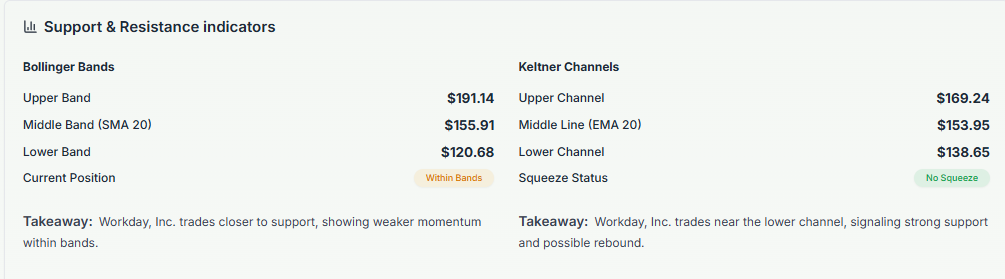
Technical Summary (Meyka):
- RSI near oversold levels
- Strong selling volume
- Price below 50-day moving average
What Meyka Says:
Workday faces short-term downside risk due to margin pressure from AI investment. Long-term outlook remains stable due to strong enterprise demand.
Analyst View:
Morgan Stanley lowered its price target from $310 to $280, citing AI cost concerns and slower billings growth.
Lucid Earnings Disappoint as EV Profitability Concerns Grow
Why Did Lucid Stock Drop After Earnings?
Lucid Group shares fell 4-6% on February 24, 2026, after reporting a wider-than-expected quarterly loss despite strong revenue growth.
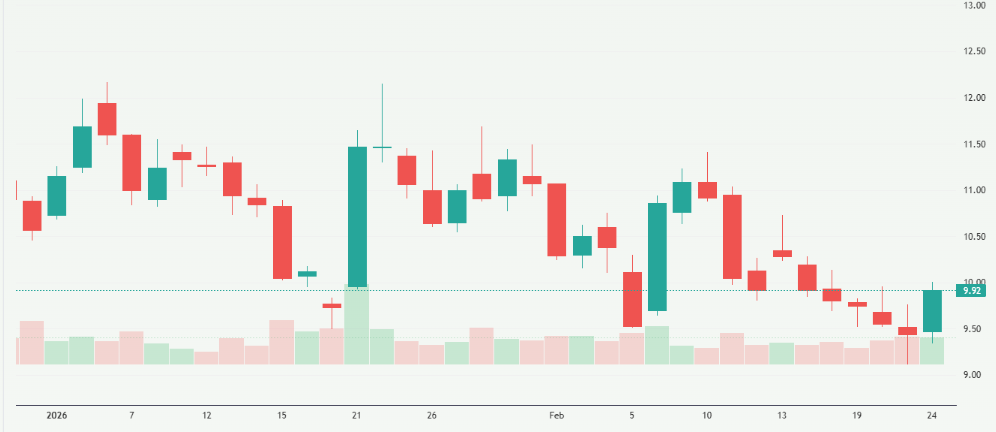
Q4 2025 Results:
- Revenue: $522.7M (+123% YoY)
- EPS: -3.08 vs -2.68 expected
- 2026 production forecast: 25,000-27,000 vehicles
What Is Dragging Lucid’s Financial Performance?
Lucid continues to struggle with:
- High cash burn
- Rising raw material and battery costs
- Supply chain disruptions
- Weak luxury EV demand
The company ended Q4 with $4.6 billion in liquidity but still expects $1.2-$1.4 billion in capital spending in 2026. Despite launching its Gravity SUV, profitability remains distant.
Lucid Stock Snapshot – Meyka Analysis
Ticker: LCID
Trend: Strong bearish
Support: $9.00
Resistance: $12.80
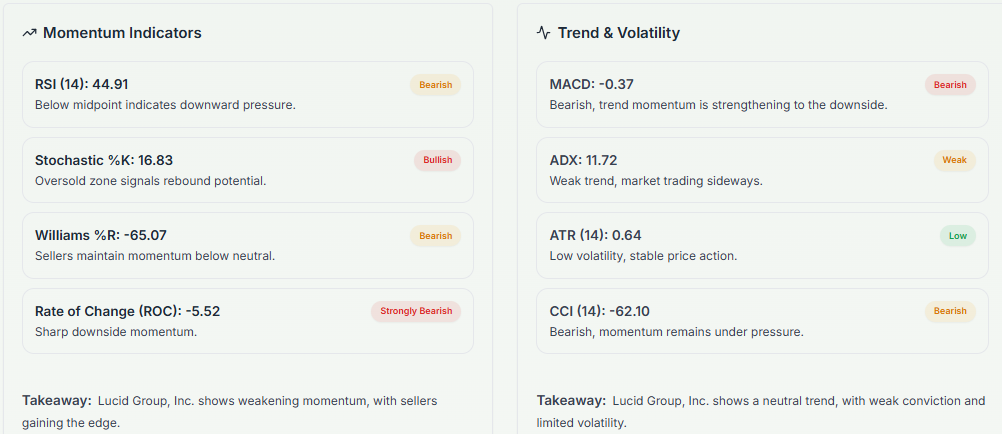
Technical Summary (Meyka):
- Price is in a long-term downtrend
- Heavy institutional selling
- Weak momentum indicators
What Meyka Says:
Lucid remains a high-risk stock due to continued losses and capital dependence. Near-term recovery remains unlikely.
Supporting Analyst Insights:
Goldman Sachs maintained a Sell rating, citing weak EV margins and heavy funding needs.
HP Stock Slides as Margin Pressure Overshadows Revenue Beat
Why Did HP Shares Drop After Earnings?
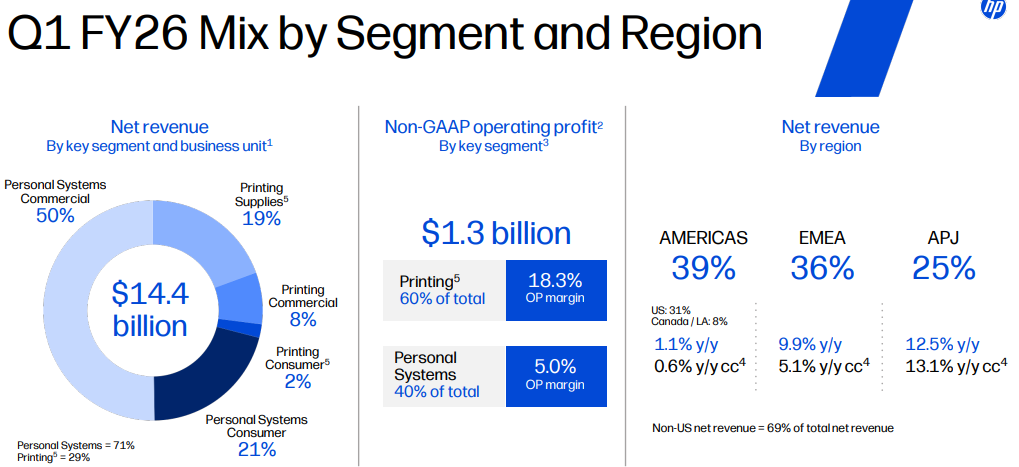
HP stock declined 6.8% on February 24, 2026, even after beating revenue and profit estimates.
- Revenue: $14.44B (+6.9% YoY)
- EPS: $0.81 vs $0.76 expected
- Personal Systems growth: +11%
What Spooked Investors About HP’s Outlook?
The HP warned that:
- Rising memory chip costs will hurt margins
- US tariffs and logistics costs remain elevated
- FY2026 profit will likely fall at the lower end of guidance
HP now expects FY2026 EPS to be between $2.90 and $3.20.
HP Stock Snapshot – Meyka Analysis
Ticker: HPQ
Trend: Neutral to bearish
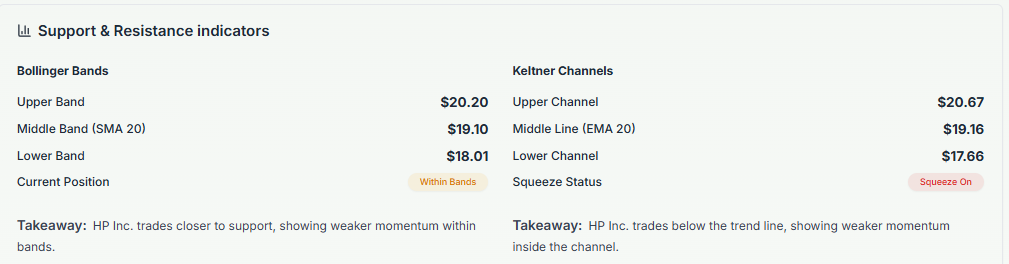
Support: $27.50
Resistance: $31.20
Technical Summary (Meyka):
- Price below short-term moving averages
- Moderate selling pressure
- Weak volume confirmation
What Meyka Says:
HP faces margin compression risk from rising component costs. Long-term outlook depends on AI PC demand recovery.
Analyst Insight:
JP Morgan trimmed its price target to $32, citing margin pressure and weaker PC shipments.
Bigger Market Implications: Is AI Creating a New Tech Selloff Cycle?
AI spending is rising fast across tech companies. However, investors now question profitability and monetization speed.
Key risks include:
- High capital spending
- Lower operating margins
- Disruption of legacy business models
Many investors now rely on AI stock analysis tools to assess valuation risk and earnings sustainability amid fast-changing business models. This shift has increased volatility across SaaS, hardware, and EV stocks in early 2026.
Earnings Session: What Investors Should Watch Next?
- NVIDIA earnings for AI demand confirmation
- Enterprise IT spending data
- EV delivery and order trends
- Semiconductor pricing movement
- Interest rate policy updates
Market sentiment will remain fragile until earnings clarity improves.
Final Words
This earnings season shows how quickly market confidence can shift. Investors are now prioritizing sustainable growth, cost control, and realistic guidance over short-term gains. As AI spending rises and demand patterns change, companies must balance innovation with financial discipline. In the weeks ahead, clear strategy, stable margins, and consistent execution will decide which stocks regain momentum and which continue to struggle in a fast-evolving market environment.
Frequently Asked Questions (FAQs)
On February 25, 2026, Workday stock fell because the company gave lower future revenue guidance and warned about higher AI costs, which may reduce profit margins and slow near-term growth.
In February 2026, Lucid’s stock dropped due to heavy losses, high cash burn, and slower electric vehicle demand, despite strong revenue growth and higher vehicle production forecasts.
On February 24, 2026, HP shares declined after the company warned about rising chip costs, a weaker profit outlook, and ongoing trade pressures that may hurt future margins and earnings growth.
Disclaimer:
The content shared by Meyka AI PTY LTD is solely for research and informational purposes. Meyka is not a financial advisory service, and the information provided should not be considered investment or trading advice.