On April 8, 2026, Dow Jones futures jumped nearly 2% after news of a temporary extension in the Strait of Hormuz eased global market fears. Just days earlier, oil prices had surged above $110 per barrel due to rising tensions between the U.S. and Iran.
Now, with a short-term ceasefire and shipping routes reopening, crude prices have dropped sharply, giving investors some relief. This sudden shift shows how quickly geopolitics can move financial markets. Traders are now watching closely to see if this rebound can hold. Is this the start of a sustained rally, or just a brief pause in a volatile market cycle?
Advertisement
Why Dow Jones Futures Surged 2% Today?
U.S. stock futures rallied sharply on April 8, 2026. Dow Jones futures climbed nearly 2% after key geopolitical news eased investor anxiety. The U.S. and Iran agreed to a temporary two‑week cease‑fire involving the reopening of the critical Strait of Hormuz. This deal helped reverse a recent sharp sell‑off in markets tied to rising oil prices. Brent crude and WTI crude oil prices plunged as a result, adding to the bullish shift in equities.
Oil, which had been trading above $110+ per barrel due to earlier disruptions in Hormuz, slid significantly on the cease‑fire news. The falling energy prices cut inflation pressure and spurred risk‑on trades. Stocks in Asia and U.S. futures markets jumped in response.
What Is the Strait of Hormuz Crisis and Why Does It Matter?
The 2026 Strait of Hormuz crisis began on February 28, 2026, triggered by escalating geopolitical conflict involving the United States, Iran, and Israel. The narrow strait normally carries nearly 20% of the global seaborne oil supply daily. When Iran effectively stopped shipping traffic due to military and political tensions, energy prices soared.
This disruption caused crude oil prices to rise sharply. Brent crude exceeded $126 per barrel at peaks, and supplies were rerouted or delayed. Analysts described the crisis as the largest energy supply shock since the 1970s.
Because oil is a major input for transportation and manufacturing, closures at Hormuz ripple through global markets. Higher energy costs also affect inflation, consumer spending, and corporate earnings. That’s why momentum in oil markets directly impacts stock futures such as the Dow Jones.
How Markets Reacted Across Asset Classes?
Equities
After the cease‑fire and reopening news, U.S. stock futures surged:
- Dow Jones futures rose nearly 2%
- S&P 500 futures were up over 2.2%
- Nasdaq‑100 futures climbed near 2.8% on a strong sentiment shift
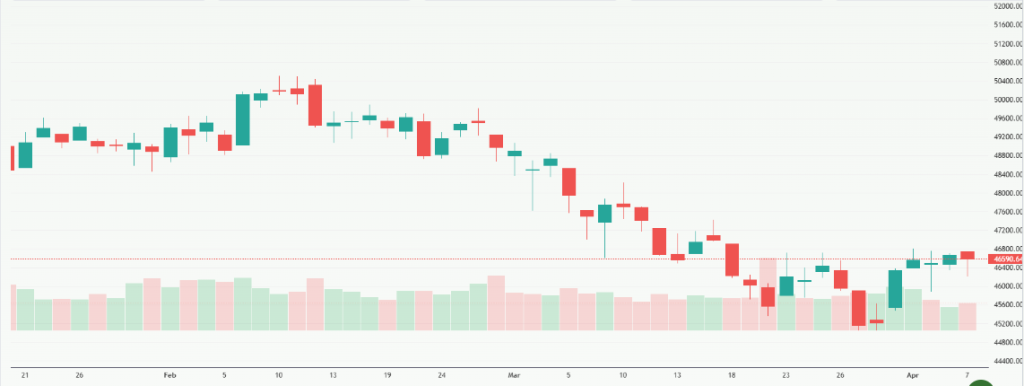
Asian markets were set to open higher on the same news. Futures on the Nikkei and Hang Seng were trading positively as oil prices dropped sharply.
Oil & Commodities
Crude oil prices fell more than 15% after the temporary deal. West Texas Intermediate (WTI) futures dropped below $100 per barrel in fast moves. Gold and silver also saw gains as traders shifted risk preferences.
Despite the drop, some analysts warn that physical oil markets remain tight due to supply stresses from prior disruptions. Temporary relief does not guarantee an end to the broader supply imbalance that elevated prices earlier in 2026.
Risk Sentiment
Risk assets rallied on reduced escalation probability. However, markets remain sensitive to short‑term headlines. Equity gains have been uneven, with sectors like energy lagging while tech and industrials responded more strongly.
Timeline of Events That Drove This Rally
The market moves came after weeks of geopolitical tension:
- Late February 2026: Iran begins restricting shipping through Hormuz in retaliation to military pressure.
- Early March 2026: Crude oil prices cross $100 per barrel as flows near zero.
- March-April 2026: Dow futures and broader markets swing wildly with daily newsflow about potential military action and negotiation windows.
- April 7-8, 2026: Pakistan intervenes diplomatically and secures a 2‑week cease‑fire extension, reversing risk‑off sentiment.
- April 8, 2026: Dow Jones futures surge, oil prices plunge, and markets show strong rally behavior after the announcement.
Winners and Losers From the Market Shift
Winners
- Technology and growth stocks: Benefit from reduced volatility and positive risk sentiment.
- Global equity futures: S&P and Nasdaq leading gains on optimism.
- Gold and silver: Short‑term safe havens as traders reposition.
Losers
- Energy producers: Earnings pressure as crude prices fall sharply.
- Defense stocks: Reduced war risk premium can limit near‑term gains.
- Volatility‑linked assets: Pull back as markets risk‑on.
Can the Rally Hold? What Analysts Say
Market experts remain cautious. Some see the cease‑fire as a temporary relief rally rather than a full risk reversal. The opening window only lasts two weeks, meaning risk remains high if talks break down. Many analysts use AI stock analysis tools or traditional models to assess quickly shifting data, and most agree that residual volatility will persist.
Others point to structural energy market tightness and caution that oil may remain elevated even after the short cease‑fire. While traders cheered immediate relief, strategic shortages and slow restoration of supply routes could keep prices unstable.
What Investors Should Watch Next?
- Pay attention to updates on Iran‑U.S. negotiations. A deeper, more lasting agreement could strengthen the rally.
- WTI and Brent crude trends will signal if markets are pricing lasting supply relief.
- Inflation, jobs reports, and central bank commentary will affect risk appetite.
Wrap Up
The Dow Jones futures rally reflects rapid market reactions to geopolitical relief. While the temporary Hormuz extension eased immediate fears and pushed oil prices lower, uncertainty remains high. Investors should treat the surge as tentative optimism. In the coming weeks, diplomatic developments and oil price stability will determine whether this rally sticks or fades.
Disclaimer:
The content shared by Meyka AI PTY LTD is solely for research and informational purposes. Meyka is not a financial advisory service, and the information provided should not be considered investment or trading advice.
Advertisement
What brings you to Meyka?
Pick what interests you most and we will get you started.
I'm here to read news
Find more articles like this one
I'm here to research stocks
Ask Meyka Analyst about any stock
I'm here to track my Portfolio
Get daily updates and alerts (coming March 2026)