











U.S. markets jolted investors on March 9, 2026, as Dow Jones futures plunged more than 1,000 points while global crude oil prices surged toward $120 per barrel, the highest level seen in years. This dramatic move unfolded amid rising tensions in the Middle East and fears of long‑lasting supply disruptions through key shipping routes.
Traders woke up to sharp sell‑offs and heightened anxiety about inflation, economic growth, and market stability. With energy costs climbing and stocks sliding, the mood on Wall Street quickly turned cautious. These early market tremors signal a potentially volatile week ahead for both investors and everyday consumers.
What Happened in the U.S. Stock Markets? Latest Moves and Data
U.S. stock futures plunged sharply as oil prices climbed toward the highest levels since 2022. On March 9, 2026, Dow Jones futures dropped more than 1,000 points, roughly 2.3% lower, ahead of the trading week. The S&P 500 and Nasdaq 100 futures also slid by over 2%. This came as West Texas Intermediate (WTI) crude neared $120 per barrel and Brent crude pushed above $115.
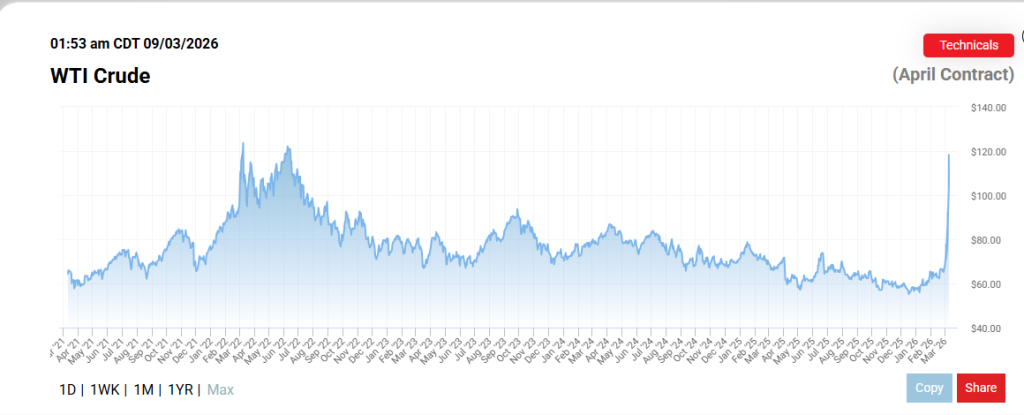
The surge is linked directly to conflict in the Middle East and disruptions to oil supply routes. Stocks in energy, travel, and broader markets felt immediate pressure amid rising inflation and growth concerns.
Global indices also slipped, with major Asian markets such as Japan’s Nikkei and South Korea’s Kospi falling sharply in response to higher energy costs and risk‑off sentiment.
Why are Oil Prices Surging?
What Is Driving the Spike in Oil?
Oil prices have climbed rapidly due to escalating geopolitical tensions in the Middle East. Key factors include:
- Supply disruption fears after Iran and allied forces restricted tanker movement through the Strait of Hormuz, a chokepoint that handles about 20% of global oil exports.
- Middle Eastern producers such as Iraq, Kuwait, and the UAE are cutting production in response to decreased export capacity.
- Attacks on oil infrastructure and strategic facilities in the region are increasing the risk premium priced into futures.
These supply fears have pushed both WTI and Brent futures into levels not seen in years. The latest data shows Brent crude swinging near $119-$120 per barrel, and WTI has climbed past $113.
How Long Could Oil Stay High?
Analysts warn that oil may stay elevated if geopolitical tensions extend. Some forecasts even suggest prices could surpass the 2008 peak of $146 per barrel in worst‑case scenarios.
Dow Jones Futures: How are Stocks Reacting?
Which Sectors are Suffering Most?
The market sell‑off has hit several industries hard:
- Airlines and travel companies face higher fuel costs raise operational expenses.
- Consumer discretionary stocks, rising energy costs reduce spending power.
- Tech stocks, risk‑off sentiment push investors away from high‑growth names.
At the same time, energy stocks and some defense‑related equities have outperformed, as oil producers benefit from higher prices and geopolitical uncertainty.
What About Broader Indexes?
U.S. major indexes have shown volatility:
- The Dow Jones Industrial Average suffered large point swings, with intraday dips over 1,100 points before partial recoveries in early March.
- The S&P 500 and Nasdaq Composite both declined on weak economic data, coupled with rising oil prices.
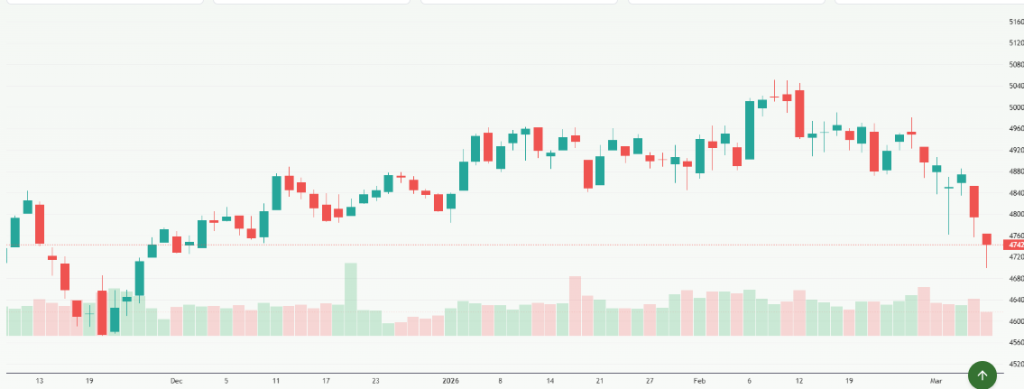
These drops erased much of the year‑to‑date gains and pushed markets into a risk‑off mode.
U.S. Stock Market: Are Inflation and Fed Policy at Risk?
Could High Oil Drive Inflation Higher?
Yes. Sharp oil price rises raise fuel and transport costs. This can quickly pass through to consumer prices and core inflation. The result can pressure central banks to delay expected interest‑rate cuts.
Michael Arone, chief investment strategist at State Street, said market volatility stems from rising energy prices and stagflation fears, rising inflation with slowing growth, which complicates Federal Reserve decisions.
What Does This Mean for Interest Rates?
Elevated energy costs make rate cuts less likely in the near term. Economists now see the Fed taking a more cautious stance due to inflation pressures driven by oil. This shift influences bond yields and stock valuations.
What Investors are Doing Now?
Are Traders Shifting Strategies?
Many traders are adopting a risk‑off stance by moving capital into safer assets such as:
- U.S. Treasuries
- Gold and other commodities
- Defensive stocks in utilities and consumer staples
This behavior reflects concern about continued market volatility and inflation risk.
Are There Opportunities?
Some investors are using AI stock analysis tools to screen for resilience in high‑volatility markets. Others are watching energy sectors closely as price spikes benefit certain producers. However, most analysts urge caution until geopolitical tensions ease.
What to Watch Next for Dow Jones Futures?
Which Data Could Move Markets?
Key upcoming data points include:
- U.S. inflation reports
- Federal Reserve rate statements or minutes
- Global GDP growth estimates
These will help gauge whether high oil prices are likely to stick.
Could Politics Affect Energy Prices?
Any diplomatic progress or cease‑fire could calm markets. Conversely, expanded conflict or additional attacks on oil infrastructure will likely drive prices higher and deepen market stress.
How Does This Compare to Past Oil Shocks?
Following historical precedents, oil shocks often lead to:
- Higher inflation
- Slower economic growth
- Market sell‑offs in equities
The current rise has similarities to the 1970s oil crisis and the 2022 energy surge, though exogenous factors such as geopolitics make this episode unique.
Final Words
The Dow’s steep futures drop and oil nearing $120 highlight how fast global events can rattle markets. Rising energy prices affect inflation, corporate costs, and investor confidence. Traders and investors must stay alert to geopolitical updates, economic data, and Fed signals. While volatility can create risk, it also offers opportunities for careful, informed strategies. Monitoring market trends, using reliable tools, and keeping a long-term perspective will help navigate these turbulent times effectively.
Frequently Asked Questions (FAQs)
Dow futures dropped sharply on March 9, 2026, as oil prices surged toward $120 per barrel. Rising oil prices raised fears of higher costs, slower growth, and inflation. This sparked a broad sell‑off in stock futures tied to global risk and geopolitics.
Rising oil costs push up fuel and transport expenses for businesses and consumers. This can slow spending, raise inflation measures, and weaken earnings, which pressure stocks and affect central bank policy.
Analysts say oil may trade near $100-$120 if Middle East tensions persist and supply stays tight. But prices could fall if shipping lanes reopen or more supply enters the market.
Disclaimer:
The content shared by Meyka AI PTY LTD is solely for research and informational purposes. Meyka is not a financial advisory service, and the information provided should not be considered investment or trading advice.
What brings you to Meyka?
Pick what interests you most and we will get you started.
I'm here to read news
Find more articles like this one
I'm here to research stocks
Ask our AI about any stock
I'm here to track my Portfolio
Get daily updates and alerts (coming March 2026)