











Cross-border finance is entering a new phase as Cross-border payment demand accelerates among small and medium-sized enterprises. XTransfer’s latest industry insights highlight a vast yet underserved B2B payment market shaping global trade in 2026. SMEs already represent over 90% of enterprises and contribute more than 50% of global GDP, making payment access a structural growth driver.
This shift matters because friction in global transfers still limits SME expansion despite rising trade digitization. As XTransfer expands globally and deepens its compliance infrastructure, investors and fintech observers see stronger momentum in underserved corridors. The emerging Cross-border opportunity now reflects both macro trade evolution and fintech-enabled financial inclusion.
Global Cross-Border Market Expansion
SME dominance is reshaping payment demand
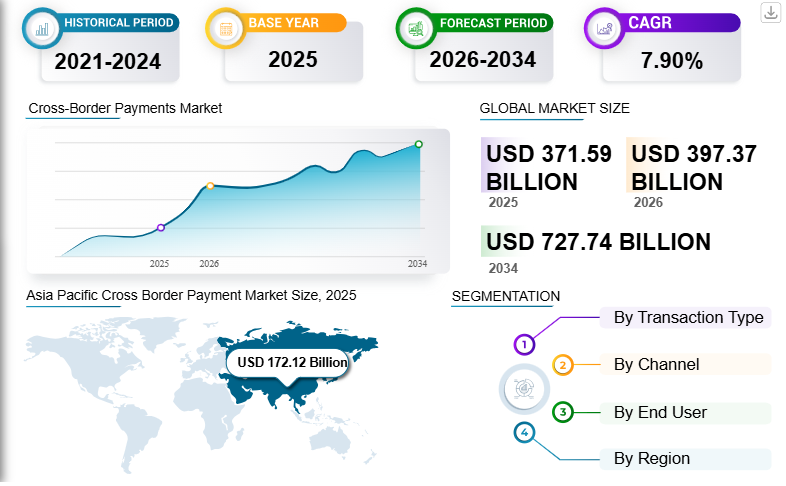
Global Cross-border payments continue expanding alongside digital trade infrastructure and mobile adoption. Market size is projected to rise from USD 212.55 billion in 2024 to USD 227.63 billion in 2025, confirming steady structural growth.
SMEs sit at the center of this expansion because they drive export diversification and supply-chain resilience. China alone hosts nearly 5 million foreign-trade SMEs, with annual growth of 20%-30%, reinforcing long-term transaction volume potential.
This shows why fintech infrastructure targeting underserved exporters is gaining investor attention. Payment accessibility increasingly determines whether SMEs can compete globally.
XTransfer’s Scale and Emerging-Market Momentum
Rapid client and transaction growth
XTransfer’s global corporate client base recently surpassed 800,000 enterprises, while monthly Cross-border transaction volume exceeded USD 12 billion. Nearly 47% of customers are overseas, signaling accelerating international adoption across emerging trade corridors.
Regional growth data strengthens this trajectory. Average collection volume rose 106% year-on-year across Asia, Africa, and Latin America, including 270% growth in Africa, 94% in Latin America, and 82% in ASEAN markets.
For investors, this confirms that underserved regions, not mature Western markets, are becoming the primary Cross-border growth engine.
Compliance, Licensing, and U.S. Expansion Strategy
Building regulated payment infrastructure
XTransfer is strengthening regulatory coverage to support sustainable Cross-border scaling. The firm secured money-transmitter authorization across 25 U.S. states as of November 2025 and built partnerships with major U.S. banks.
This infrastructure allows SMEs to complete collections, foreign exchange, and withdrawals fully online while improving cash-flow efficiency and reducing remittance costs. Participation at CES 2026 also signals strategic entry into North and South American trade ecosystems.
Looking ahead, compliance depth, not just transaction speed, will likely define fintech winners in the global Cross-border race.
Social Signal on Cross-Border Friction
One recent community discussion highlights persistent friction in global payments despite new technology:
“Transfers still take T+1 or more, fees hit 6-8%, and transparency is basically nonexistent.”
This sentiment reflects why SME-focused fintech platforms continue gaining traction across underserved corridors.
XTransfer Recent Updates in 2026
- XTransfer published new research emphasizing the immense yet underserved Cross-border B2B payment market among SMEs.
- Field research shows some SMEs still rely on underground settlement channels due to limited compliant options.
- The company debuted at CES 2026, accelerating expansion into U.S. and global trade ecosystems.
- Money-transmitter licensing now covers 25 U.S. states, strengthening compliance credibility.
- Global clients surpassed 800,000, with monthly transaction volume exceeding USD 12 billion.
Together, these updates confirm accelerating fintech penetration in underserved SME trade corridors.
Market Sentiment on Cross-Border Opportunities
Industry sentiment toward Cross-border fintech remains constructive but cautious. Strong SME demand, regulatory expansion, and emerging-market growth support long-term optimism. However, persistent concerns around fees, compliance friction, and settlement delays still shape user perception. This mixed sentiment suggests that continued innovation and regulation will define the sector’s next investment cycle.
Conclusion
The global payment landscape is shifting toward underserved SME markets, where structural demand meets fintech innovation. XTransfer’s rapid client growth, emerging-market momentum, and expanding regulatory footprint demonstrate how infrastructure-driven platforms can unlock new trade corridors.
At the same time, persistent friction in global transfers shows the opportunity remains far from saturated. For investors and fintech observers, the key takeaway is clear: scalable compliance, regional expansion, and SME enablement will shape the next decade of Cross-border finance.
Frequently Asked Questions (FAQs)
SMEs represent over 90% of businesses and contribute more than half of global GDP, making payment access essential for trade expansion.
The market is projected to grow from USD 212.55 billion in 2024 to USD 227.63 billion in 2025.
The platform serves more than 800,000 enterprises and processes over USD 12 billion in monthly transactions.
It has obtained authorization in 25 U.S. states and formed partnerships with major banks for compliant payment services.
Users cite slow settlement times, high fees, and low transparency as ongoing friction points.
Disclaimer:
The content shared by Meyka AI PTY LTD is solely for research and informational purposes. Meyka is not a financial advisory service, and the information provided should not be considered investment or trading advice.
What brings you to Meyka?
Pick what interests you most and we will get you started.
I'm here to read news
Find more articles like this one
I'm here to research stocks
Ask our AI about any stock
I'm here to track my Portfolio
Get daily updates and alerts (coming March 2026)