Bitcoin slipped below the $71,000 mark on April 9, 2026, as traders wrestled with rising uncertainty around a US-Iran ceasefire that had briefly sent prices higher. After climbing above $72,000 on April 8 following initial ceasefire headlines, BTC reversed course when investors questioned how long the halt in hostilities would last.
The world’s largest cryptocurrency is now reacting not just to headline news, but to wider concerns about oil prices, inflation, and risk sentiment across global markets. This sudden shift shows how sensitive crypto prices remain to geopolitical developments.
Advertisement
Market Reaction: Bitcoin Falls Below $71K
Today’s Price Action
On April 9, 2026, Bitcoin price dipped below $71,000, retreating from a recent rally as traders weighed uncertainty around the US‑Iran ceasefire agreement. This move came after a brief rise that pushed BTC above $72,000‑$72,700 on April 8 following ceasefire headlines.
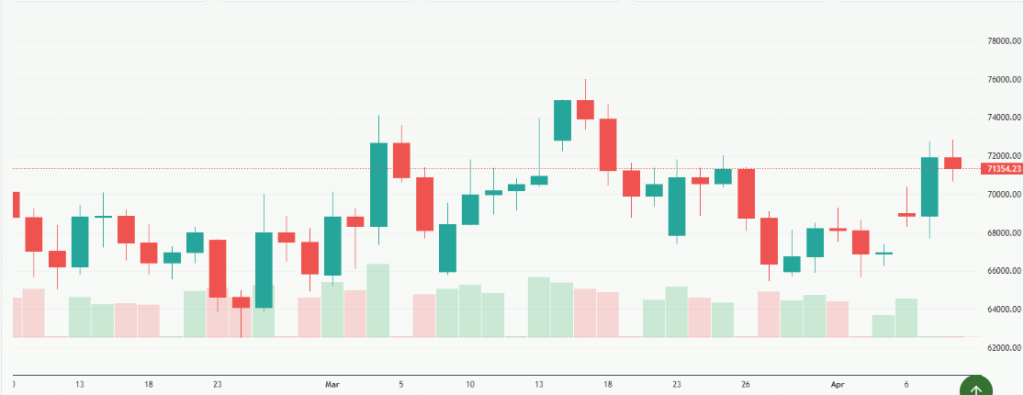
Bitcoin slipped about 1.2% to roughly $70,800 as traders began to question whether the cessation of hostilities could last. At the same time, major altcoins such as Ethereum, XRP, Solana, and Dogecoin also declined.
Technical Sell Signals
Crypto markets often react strongly to global headlines. Here, the pause in the Iran conflict initially lifted risk assets, but doubt over the agreement’s durability drove a pullback.
Market breadth showed selling momentum returning after short‑term gains. Technical conditions suggested near‑term consolidation rather than a new breakout.
Iran Ceasefire: Catalyst or Mirage?
What Happened With the US‑Iran Ceasefire?
On April 7-8, 2026, the United States and Iran announced a conditional two‑week ceasefire aimed at pausing hostilities and reopening the Strait of Hormuz.
The agreement drew heavy attention from traders because any reduction in geopolitical risk often lifts risky assets like Bitcoin. Initially, this news sparked a rally, sending BTC above $72,700 and boosting markets broadly.
However, the ceasefire remained fragile. Disagreement over conditions, especially around control of the Strait and peace terms, began to surface quickly after the announcement. That led some traders to doubt if the truce would hold beyond two weeks.
Why Does This Matter for Bitcoin?
Geopolitical shocks often influence risk appetite. In this case:
- A credible pause in fighting reduced fear and temporarily improved sentiment.
- But markets are now watching whether the ceasefire sticks or breaks again.
- If the truce fails, traders may shift back into defensive assets.
Oil prices are a key linkage. When the conflict risks recede, oil tends to fall. Lower oil eases inflation pressure, which supports stocks and crypto. When the ceasefire wavers, oil can rebound and slow risk assets again.
Macro Forces at Play
How are Oil Prices Influencing Bitcoin?
Oil is a major macro driver because it impacts inflation and risk markets. The Strait of Hormuz carries a large share of global oil. Any threat to that route pushes crude prices higher.
When news of the ceasefire broke, oil fell sharply in many markets, which helped reduce inflation expectations and support risk assets like BTC.
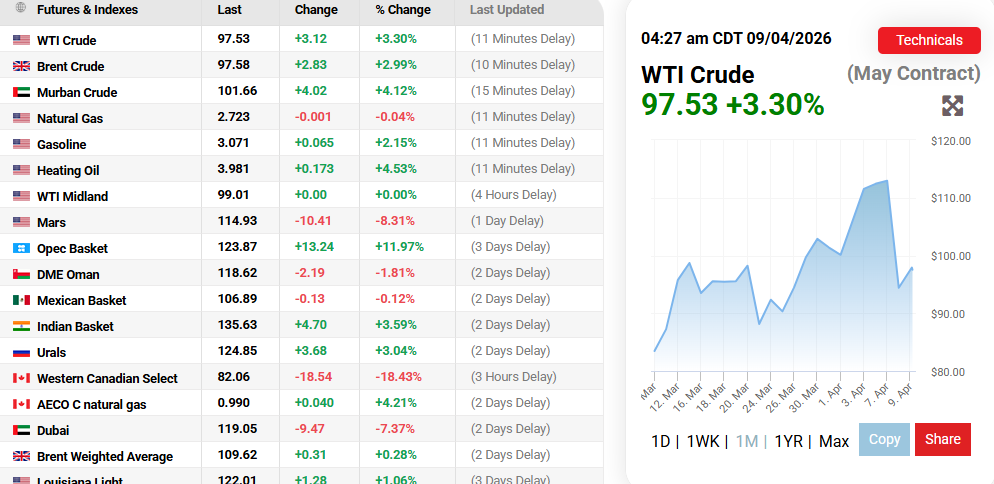
However, as doubts about the truce grew, oil prices started to stabilize or rebound. High energy costs tend to dampen risk appetite, leading to stronger pressure on crypto.
What About Broader Risk Sentiment?
Bitcoin is often treated like a proxy for global risk. When risk sentiment is positive, BTC tends to rise. When sentiment turns cautious, BTC often falls.
- Risk assets, including stocks and crypto, rallied initially on the ceasefire news.
- Markets began to cool as traders questioned how long the ceasefire would last.
- Inflation concerns and monetary policy bets also influence BTC direction.
Many analysts use tools such as AI stock and crypto analysis platforms to model these macro interplays, though these remain just one part of market forecasting.
Bitcoin: Trader Sentiment & Price Levels to Watch
What Key Price Levels Matter Now?
Bitcoin is testing several levels that traders care about:
- Support range: roughly $70,000-$70,600. Holding here could stabilize prices.
- Immediate resistance: $72,000-$74,000 zone. A solid move above this could signal renewed upside.
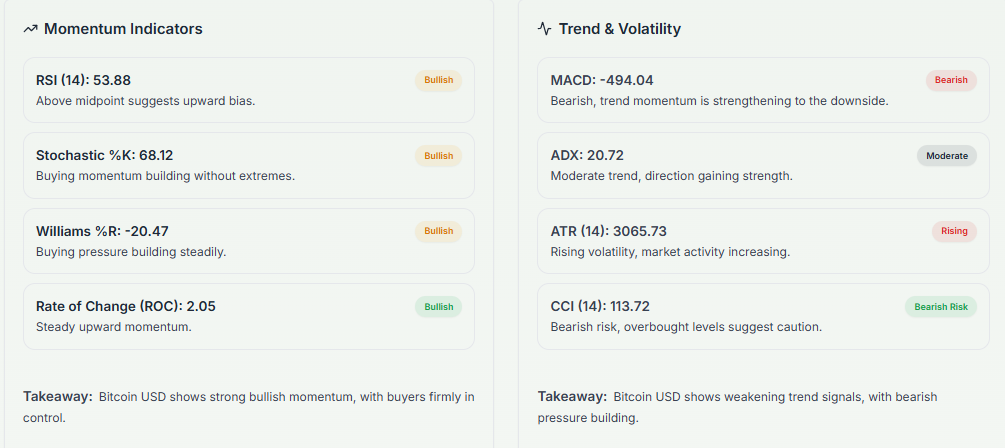
Analysts note that being below the 7‑day moving average and facing Fibonacci resistance points to short‑term consolidation.
What Is Market Sentiment Saying on Bitcoin Price?
Sentiment is mixed:
- Some traders are bullish on dips, viewing support levels as buy zones.
- Others see the recent moves as short‑term relief rallies rather than a confirmed trend shift.
- If the ceasefire breaks, selling pressure could quickly return.
Traders often watch futures open interest and funding rates to judge whether positions are becoming crowded or stretched in one direction.
Final Words
Bitcoin’s recent move below $71,000 shows how sensitive crypto prices still are to world events. A fragile US‑Iran ceasefire rebounded prices briefly, but doubts about its durability have led markets to pause or pull back. Oil prices, inflation expectations, and risk sentiment remain key forces shaping BTC’s next moves. Traders should watch key price levels and geopolitical news closely before making decisions.
Advertisement
Frequently Asked Questions (FAQs)
Bitcoin fell below $71,000 on April 9, 2026, as traders doubted the US‑Iran ceasefire’s durability and market risk increased.
Key support is around $70,000-$70,600, while resistance lies at $72,000-$74,000. These levels guide short‑term Bitcoin trading.
The ceasefire may temporarily influence Bitcoin, but long‑term prices depend on macro factors and geopolitical developments beyond April 2026.
Disclaimer:
The content shared by Meyka AI PTY LTD is solely for research and informational purposes. Meyka is not a financial advisory service, and the information provided should not be considered investment or trading advice.
Advertisement
What brings you to Meyka?
Pick what interests you most and we will get you started.
I'm here to read news
Find more articles like this one
I'm here to research stocks
Ask Meyka Analyst about any stock
I'm here to track my Portfolio
Get daily updates and alerts (coming March 2026)