











Asian Markets Waver as Iran Rejects Direct Ceasefire Talks, Reviews US Proposal
Asian markets started the day in a cautious mood on March 26, 2026, as traders absorbed fresh geopolitical news out of the Middle East. Iran has rejected direct ceasefire talks with the United States and is instead reviewing a U.S. peace proposal delivered through intermediaries, according to state media and diplomatic sources.
That stance has knocked confidence in regional stocks and sent oil prices climbing again, reviving inflation worries for Asia’s energy‑importing economies. Investors are now struggling to price in further market swings while watching for any breakthrough in the U.S.-Iran conflict that could calm markets.
Asian Markets Reaction to Iran’s Stance
How are Asian Stock Markets Performing?
Asian equity markets weakened sharply on March 26, 2026, as investors digested conflicting geopolitical signals. Major indexes like Japan’s Nikkei, South Korea’s Kospi, and Hong Kong’s Hang Seng declined amid risk‑off trading. Global markets saw increased volatility, and broader Asia‑Pacific shares were down month‑to‑date, the worst since October 2022, as trader confidence fell.
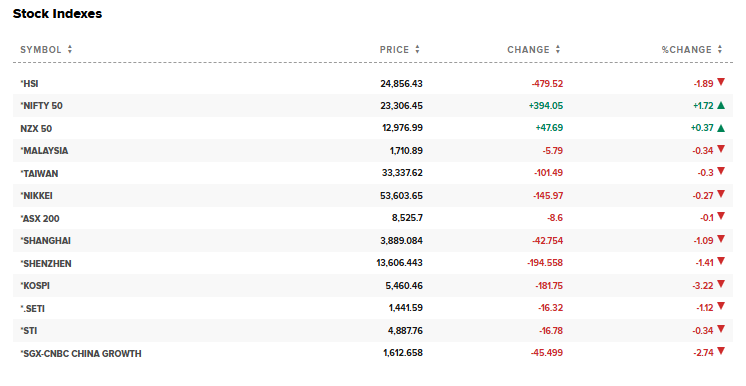
The mixed news from the Middle East has left investors uncertain. Reports that Iran would review a U.S. ceasefire proposal did offer some hope. But Iran’s clear refusal to enter direct ceasefire negotiations with Washington sparked renewed selling pressure.
What Is Driving This Market Reaction?
Several forces are influencing markets:
- Geopolitical risk premiums have risen sharply.
- Oil prices are climbing due to supply fears.
- Safe‑haven flows are pushing yields and currencies around the world.
Asian markets are heavily dependent on imported energy. A disruption in the Middle East, especially around the vital Strait of Hormuz, increases uncertainty for export‑connected economies in Japan, South Korea, and Southeast Asia.
Why Does Iran’s Rejection Matters?
What Did Iran Announce?
On March 25, 2026, Iran officially rejected a 15‑point ceasefire plan sent by the United States. Iran issued its own set of five conditions for ending the conflict, including:
- A complete cessation of hostilities.
- Guarantees preventing future attacks.
- Recognition of Iranian sovereignty over the Strait of Hormuz.
Iran also refused direct negotiations with U.S. officials, a stance it said was necessary to preserve national dignity and strategic security.
U.S. officials claim ongoing indirect contacts, notably through Pakistan and other intermediaries. But Tehran denies any direct talks are happening. This has left markets confused about the true likelihood of peace.
Why Does This Signal Matters to Investors?
Iran’s latest stance suggests the conflict could last longer than traders hoped. Middle East tensions have already disrupted world oil trade and supply chains. That matters to Asian markets because many economies are heavily reliant on imported energy. For example:
- The Strait of Hormuz handles about 20% of daily global oil supply.
- Disruptions there tighten global energy flows.
Traders fear prolonged disruption could keep inflation high and force central banks to delay interest rate cuts.
Impact on Commodities & FX Markets
What Is Happening With Oil Prices?
Oil prices climbed strongly after Tehran’s rejection. On March 26, Brent crude neared $105 per barrel as global supply fears intensified. Analysts now say markets are weighing the possibility of prices moving toward $150 per barrel if tensions continue.
The rise in commodity prices inflates costs for Asian importers. That can hurt growth and raise consumer prices locally.
How are Currencies and Bonds Responding?
The U.S. dollar strengthened as traders sought safety. Currency markets stalled amid ongoing uncertainty. Central banks in Asia may face pressure to adjust policy if inflationary forces persist.
Bond yields in safe‑haven economies like Japan have also shifted, with yields on two‑year government bonds hitting extended highs. This reflects cautious sentiment and shifting demand for secure assets.
Macro & Sectoral Impacts
What are Broader Economic Risks for Asia?
The ongoing conflict threatens inflation and energy security for import‑dependent Asian economies. Higher oil and gas prices can:
- Increase transportation and manufacturing costs.
- Push consumer prices upward.
- Slow economic growth.
Experts say prolonged supply shocks can reduce central bank flexibility and limit interest rate cuts, which could slow regional recovery.
Which Sectors are Most Affected?
- Energy & commodities: Prices are rising as supply fears mount.
- Export sectors: Sentiment weakens amid risk‑off flows and currency volatility.
- Safe‑havens (like gold): At times they gain as traders seek less risky assets.
Traders are using tools like AI stock analysis to model scenario outcomes, but without clear diplomatic progress, volatility remains high.
What Analysts are Saying on the Asian Stock Market?
Is There Still Hope for a Diplomatic Solution?
Market experts remain mixed about the outlook. Some analysts believe that any sign of genuine negotiation or confidence‑building measures could quickly calm markets. Others warn volatility may persist until formal negotiations start or the conflict de-escalates on the ground.
Firms like JPMorgan have revised their outlook to neutral, expecting markets to trade sideways without clear progress. Others note that geopolitical risk is now priced into commodities, stocks, and currency markets.
What Else are Experts Watching?
Analysts are looking for:
- Official confirmation of any ceasefire deal.
- Progress on opening key shipping lanes like the Strait of Hormuz.
- Clear signals from diplomatic channels.
These outcomes could ease price pressures and improve investor confidence.
Final Words
Asian markets are caught in a tug‑of‑war between hope and risk. Iran’s rejection of direct ceasefire talks and its own conditions for peace have reignited fears of prolonged conflict. With oil prices rising and investor confidence shaky, Asia’s markets might stay volatile until a tangible diplomatic breakthrough emerges, making cautious trading and clear direction all the more critical in the days ahead.
Disclaimer:
The content shared by Meyka AI PTY LTD is solely for research and informational purposes. Meyka is not a financial advisory service, and the information provided should not be considered investment or trading advice.
What brings you to Meyka?
Pick what interests you most and we will get you started.
I'm here to read news
Find more articles like this one
I'm here to research stocks
Ask our AI about any stock
I'm here to track my Portfolio
Get daily updates and alerts (coming March 2026)