











Asia Stocks Slip as Iran War Fears and Oil Surge Pressure Markets; China Data Eyed
The Asia stocks opened the week in a cautious mood on March 16, 2026, as investors wrestled with rising oil prices and escalating Iran conflict risks that could reshape global trade and growth. Brent crude hovered near $105 per barrel, driven by supply fears around the Strait of Hormuz, a critical route for nearly one‑fifth of the world’s oil exports.
Stocks across Tokyo, Seoul, and Hong Kong felt the pressure, with many major indices sliding amid risk‑off sentiment. At the same time, traders are watching fresh Chinese economic data closely, searching for signs that Asia’s growth engine can absorb these shocks. These moves make this one of the most closely watched market weeks in recent months.
Macro Drivers Behind Asia Stock Market Moves
What is driving Asia’s current market pressures?
Asia’s stocks have slid sharply in mid‑March 2026 due to a mix of geopolitical and economic shocks. The continuing war involving Iran has kept oil prices high and markets nervous. Brent crude has stayed above $100 per barrel, driven by fears that the vital Strait of Hormuz could be disrupted by military activity, since around 20% of global oil trade passes through this chokepoint.
Investors dislike uncertainty. When oil prices rise fast, energy costs ripple through industries and push inflation expectations up. Higher inflation can slow growth and force central banks to delay interest‑rate cuts, which weighs on stocks. This combination of war‑driven risk and rising crude prices has been a dominant force shaping financial markets this week.
Market Impact: Asian Equities & Sector Trends
How are major Asian stock markets reacting?
Asian equity markets have broadly fallen in response to these pressures. On March 16, 2026, most major indexes were in negative territory as risk appetites weakened.
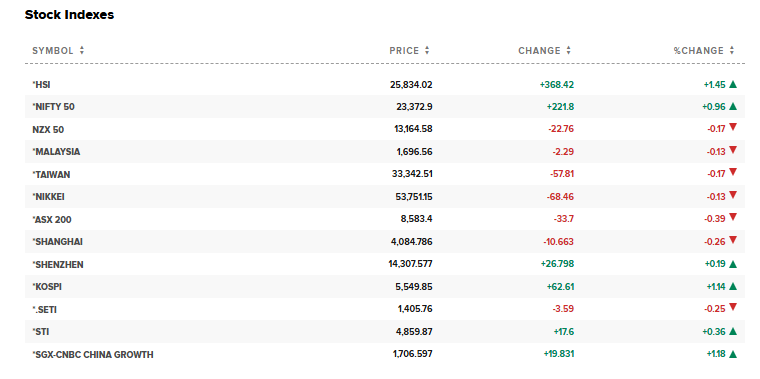
Key patterns include:
- Japan’s Nikkei 225 and broader Topix indexes declined as investors sought safer assets amid energy price risk.
- South Korea’s Kospi and Australia’s ASX‑200 showed smaller losses, reflecting mixed regional sentiment.
- Chinese markets, while also lower, showed slight resilience compared to other regions.
Sector performance has varied. Energy producers sometimes benefit from higher oil prices, but many other sectors, especially rate‑sensitive ones such as technology and consumer discretionary, have underperformed as investors cut risk exposure.
China’s Economic Data: A Mixed Signal
What does the latest Chinese data show?
China’s economy has posted stronger‑than‑expected figures for January‑February 2026, providing something of a counterbalance to the broader market weakness.
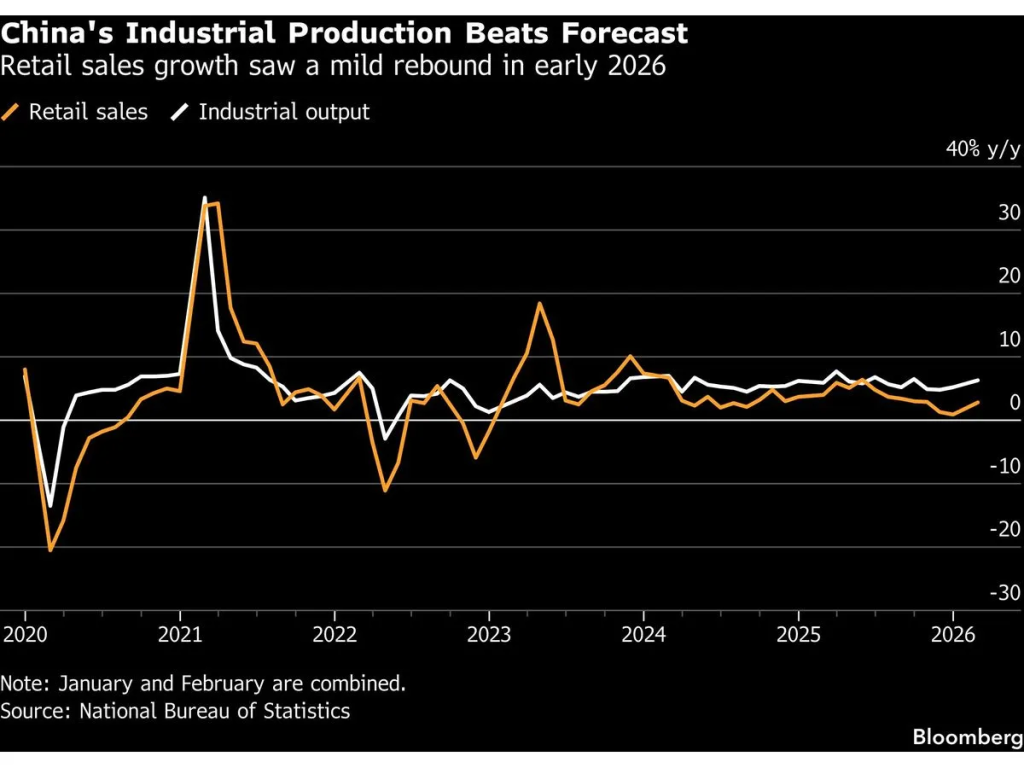
Key data points include:
- Industrial output climbed 6.3% year‑on‑year, ahead of expectations and up from December.
- Retail sales increased 2.8%, reflecting an ongoing (if modest) rebound in consumer activity.
- Fixed asset investment grew 1.8%, surprising analysts who had forecast further declines.
These numbers suggest China’s economic engine still has momentum. Strong exports and industrial output are supporting growth, even as domestic confidence remains fragile and the property sector continues to struggle.
China’s role as a major Asian market and oil importer means that its economic data is especially important this week. Better‑than‑expected data can cushion some of the sell‑offs seen elsewhere and help maintain investor confidence in regional growth prospects.
Asia Stocks Today: What Investors are Watching Next?
What key events could move markets this week?
Investors are focused on a few major factors that could affect markets in the short term:
- Central Bank Meetings: Meetings of major central banks, including the Federal Reserve (March 17-18), could influence rate expectations amid stubborn inflation from high energy costs and slower growth.
- Geopolitical Headlines: Any signs of escalation or de‑escalation relating to the Middle East conflict and Iran’s role will continue to move markets quickly.
- Oil Markets: A sustained rise above $100 per barrel or a sudden decline in crude prices could swing investor risk sentiment sharply.
- China Economic Releases: Further data releases, including PMI, trade, and later monthly reports, will help clarify whether China’s early‑year strength is sustainable.
Investors are using AI stock analysis tools, among other research methods, to stay updated with rapidly shifting global conditions. A core focus remains on understanding how inflation, rates, and growth dynamics evolve jointly.
Final Words
In the face of rising oil prices and deepening geopolitical tensions, Asian stocks are under significant pressure. Better‑than‑expected Chinese economic data offers some hope, but investors must monitor central bank decisions, oil market trends, and war developments closely in the coming days to assess whether markets will stabilize or continue to struggle.
Frequently Asked Questions (FAQs)
Asian stocks fell on March 16, 2026, due to rising oil prices, Iran conflict fears, and weaker investor confidence.
The Iran conflict is raising oil prices near $105, causing global market worries and higher costs for businesses and consumers.
China’s January-February 2026 data shows growth in industry and retail, giving some support to Asian markets despite global risks.
Disclaimer:
The content shared by Meyka AI PTY LTD is solely for research and informational purposes. Meyka is not a financial advisory service, and the information provided should not be considered investment or trading advice.
What brings you to Meyka?
Pick what interests you most and we will get you started.
I'm here to read news
Find more articles like this one
I'm here to research stocks
Ask our AI about any stock
I'm here to track my Portfolio
Get daily updates and alerts (coming March 2026)