











Asia stocks rise on US tech rally; Iran conflict and RBA rate decision in focus
Most of the Asia stocks climbed on March 17, 2026, as Wall Street’s tech rebound set a positive tone across global markets. Strong gains in U.S. tech shares, led by AI and semiconductor names, pushed investor confidence higher early in the trading session.
At the same time, traders are watching unfolding geopolitical tensions in the Middle East and a key interest rate decision from the Reserve Bank of Australia for fresh clues on risk sentiment and inflation.
With oil prices still elevated due to the Iran conflict, Asian markets are navigating a mix of optimism and caution. This mix is shaping trading patterns from Tokyo to Sydney, making the current rally both intriguing and unpredictable for global investors.
Asia Stocks Climb on Tech Strength and Global Signals
Most Asian markets turned positive on March 17, 2026, as investors reacted to a strong rally in U.S. tech stocks from the previous day. Key indexes such as South Korea’s Kospi rose sharply, leading gains, while other major bourses also made modest advances. This comes as traders digest mixed signals from geopolitics and policy decisions.
U.S. markets gained overnight, with the S&P 500 and Nasdaq rising on renewed investor interest in AI and semiconductor firms. That optimism helped support Asian equities early in the session. However, volatility remains as geopolitical tensions in the Middle East and central banks’ next moves continue to shape sentiment.
What are the Key Moves in Asian Markets?
Asian stocks largely rose at the latest open. Kospi led the region with around a 2.3% gain, while other indexes climbed or stayed flat. Japanese markets, including the Nikkei 225, showed resilience but less strength than peers.
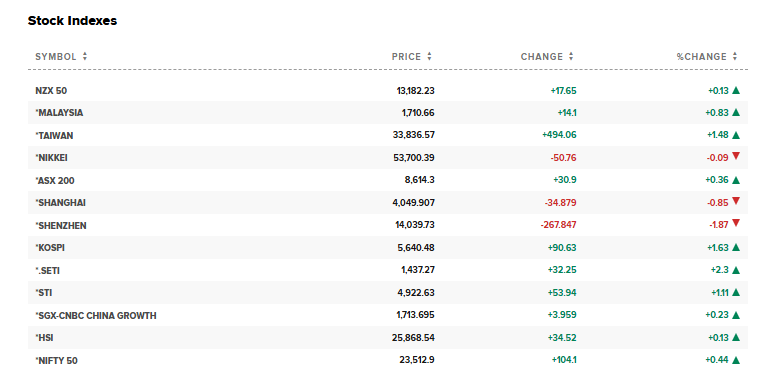
These gains reflect the global mood. Tech shares, especially those linked to AI and chips, have driven U.S. equities higher. That boost often flows into Asian markets because many tech suppliers and manufacturers are based in the region. Still, the overall rally isn’t yet broad-based, and pockets of weakness remain.
How Is the Iran Conflict Affecting Markets?
The ongoing conflict in the Middle East, involving Iran and the U.S.-Israel military buildup, has major market consequences. Energy markets have reacted sharply as Brent crude sits above $100 a barrel.
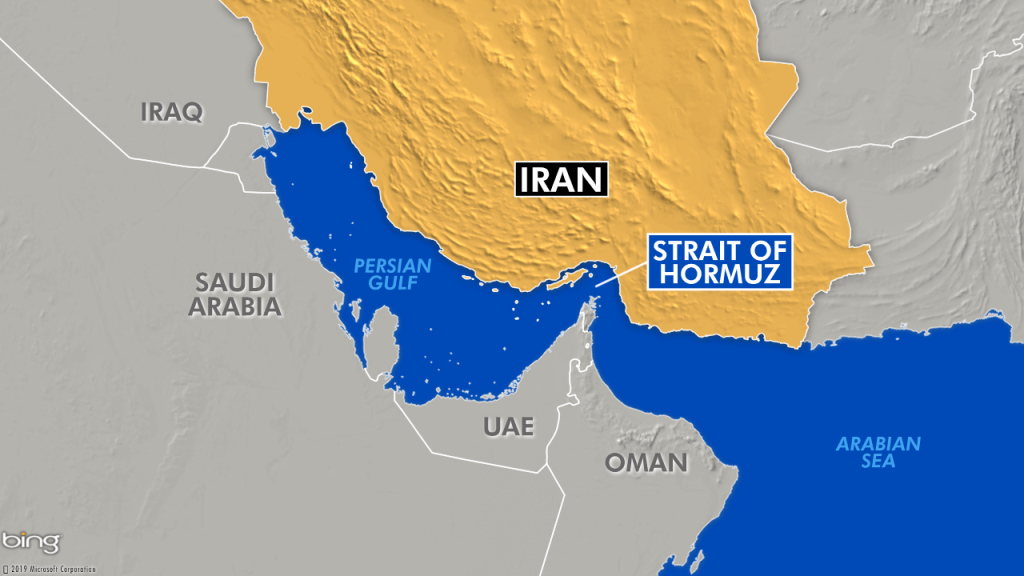
The Strait of Hormuz, a key route for roughly 20 % of global oil exports, has seen disruptions. This has lifted oil prices and added inflation pressure worldwide. Data show that sustained closures could reduce global oil supply by about 20 %, pushing energy costs higher for Asia’s energy‑dependent economies.
These shifts affect investor confidence. Higher fuel costs raise inflation risks. That can lead central banks to tighten monetary policy, which in turn caps appetite for equities. Still, markets remain mixed as traders weigh short‑term risks versus long‑term recovery prospects.
What Happened With the RBA Rate Decision?
On March 17, 2026, the Reserve Bank of Australia (RBA) raised its cash rate by 25 basis points to 4.1 %. This marked the first hike in months as inflation pressures climbed and energy costs rose amid geopolitical fallout.
The decision was narrow, with a 5‑4 vote, signaling uncertainty among policymakers. That split has markets watching closely for future rate moves. Some analysts think further hikes are possible in May or August if inflation stays elevated. Others warn that escalating tensions could slow growth, forcing the RBA to reassess.
This move added another layer of complexity for Asian markets. It reinforces the idea that inflation risks are still high, even in economies showing slower growth. Equities tend to struggle when rates rise, especially in rate‑sensitive sectors like tech and consumer discretionary.
How are Commodities and Currencies Reacting?
Rising oil prices have clear implications for inflation. Brent crude has been trading above $103-$104 per barrel, amid concerns over supply through critical shipping lanes. Those higher energy costs feed into broader inflation expectations for Asia and beyond.
Currencies such as the Australian dollar have also reacted. Following the RBA hike, the AUD strengthened against the U.S. dollar, a sign that monetary policy changes have a strong influence on FX markets. Bond yields in the region have risen as investors price in tighter monetary conditions.
Gold remains a safe‑haven alternative when geopolitical risk rises. Many traders are using tools like premium analytics and AI stock analysis technology to model potential scenarios and guide decisions amid continued uncertainty.
Asian Stocks Today: What are Analysts Saying About the Near Term?
Market experts remain cautious. Many view the current gains as short‑term rallies rather than trend‑breaking moves. Volatility from geopolitical risk and policy uncertainty means markets could shift quickly.
Some analysts see opportunities. For example, energy and commodity stocks could benefit if oil stays elevated. Others warn that high inflation and tighter credit conditions may cap profit growth for risk assets. U.S. earnings forecasts for 2026–27 have risen, which supports global equity valuations, but rising rates and geopolitical tension could complicate that outlook.
How Should Investors Approach This Environment?
- Keep an eye on oil price trends and developments in the Iran conflict. Prolonged disruptions could meaningfully raise inflation.
- Watch central bank decisions, especially from the Fed, RBA, and Bank of Japan, for clues on future rate paths.
- Focus on sectors with strong fundamentals or defensive attributes if volatility persists.
Investors may find value in diversified portfolios and risk‑aware strategies as markets adjust to both macro uncertainties and opportunities in technology and commodities.
Bottom Line
The Asia stocks are navigating a mix of optimism from the U.S. tech rally and caution from geopolitical tensions and RBA rate hikes. Traders should watch oil prices, central bank moves, and tech sector trends closely. In this environment, informed, flexible strategies are key to managing risk and capturing opportunities across Asia’s dynamic markets.
Frequently Asked Questions (FAQs)
The Asia stocks rose on March 17, 2026, due to U.S. tech gains, despite Iran tensions and RBA rate worries.
The U.S. tech rally on March 16, 2026, lifted Asian markets as investors followed strong AI and semiconductor stock gains.
The RBA raised rates to 4.1% on March 17, 2026, adding caution while some Asian stocks still climbed.
Disclaimer:
The content shared by Meyka AI PTY LTD is solely for research and informational purposes. Meyka is not a financial advisory service, and the information provided should not be considered investment or trading advice.
What brings you to Meyka?
Pick what interests you most and we will get you started.
I'm here to read news
Find more articles like this one
I'm here to research stocks
Ask our AI about any stock
I'm here to track my Portfolio
Get daily updates and alerts (coming March 2026)