Asia market stocks lit up on April 6, 2026, led by Japan’s Nikkei 225 and South Korea’s KOSPI, each climbing more than 1% after fresh reports suggested that the U.S., Iran, and regional mediators may be discussing terms for a potential 45‑day ceasefire in the Middle East. This shift sparked a wave of optimism, as traders reacted to the possibility of reduced geopolitical risk, a key driver of market sentiment in recent weeks.
Investors had been on edge as oil prices and war headlines swung wildly, making this uptick a notable break from volatile trading. With markets closely watching diplomatic signals and economic cues, this surprising rally offers a fresh story of hope that’s keeping global traders engaged.
Advertisement
What Triggered the Asia Stock Market Rally?
Asia’s major stock benchmarks, especially Japan’s Nikkei 225 and South Korea’s KOSPI, climbed sharply on April 6, 2026, as investors reacted to reports of possible ceasefire discussions between the U.S. and Iran. News agencies reported that mediators are exploring the terms of a potential 45‑day pause in the conflict, which would ease fears about a prolonged Middle East war and global economic disruption.
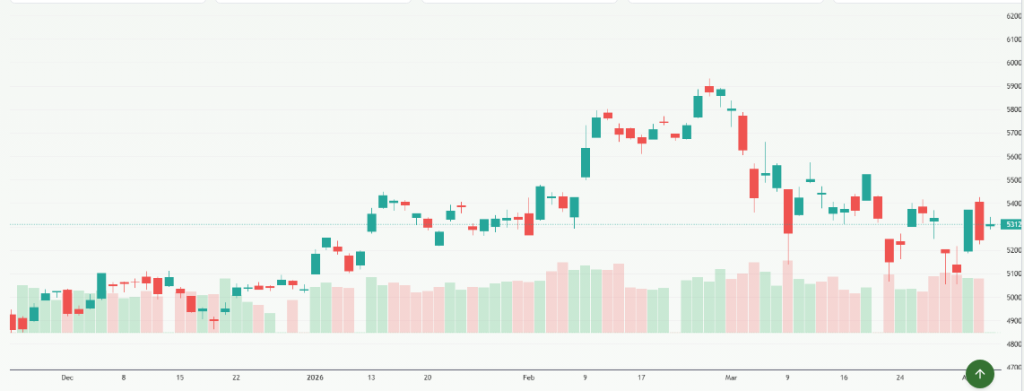
Investors are sensitive to geopolitical risk because conflict often drives higher oil prices and disrupts trade routes such as the Strait of Hormuz. Hopes of de‑escalation lifted risk sentiment, prompting buyers to return to Asian equities in otherwise thin holiday markets.
However, markets remain on edge. U.S. President Donald Trump set a deadline for Iran to reopen the Strait, and escalating military threats still weigh on sentiment, creating a tug‑of‑war between optimism and fear.
How Did the Major Asian Indices Perform?
Japan: Nikkei 225 and Broader Market Moves
Japan’s benchmark Nikkei 225 rose significantly on April 6, with gains reported around 1% or more, supported by relief buying after risk aversion earlier in the week.
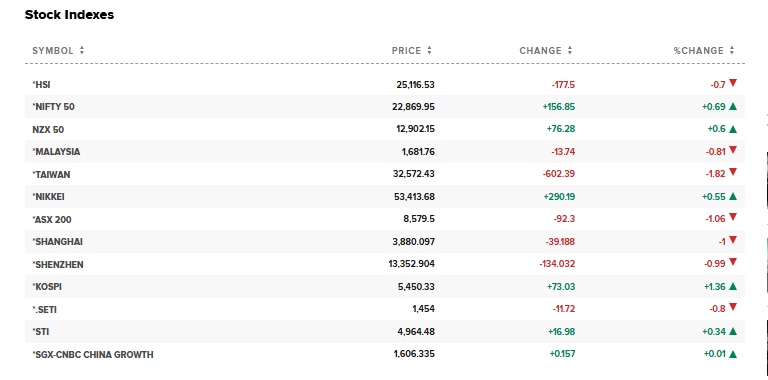
The broader TOPIX index also improved, showing that gains were not limited to headline stocks. While trading volumes were lower due to holidays in Hong Kong, Sydney, and Shanghai, the positive movement highlighted renewed appetite for Japanese equities tied to easing geopolitical fears.
South Korea: KOSPI Strength Amid Regional Optimism
South Korea’s KOSPI closed higher, with reported gains above 1%, reflecting broader buy‑side participation. The KOSPI has been volatile amid the conflict, but recent rebounds suggest traders are willing to price in peace prospects when possible. While short‑term sentiment fluctuates, analysts see room for recovery if risk factors abate.
Research from Meyka AI Nikkei-KOSPI analysis noted that past rallies in Asian markets were supported by bargain‑hunting when oil eased, and investors rotated back into cyclicals and tech sectors.
Why Do Oil Prices Matter for Asian Stocks?
Crude oil is a major driver of equity sentiment in Asia because many economies import significant energy supplies. When tensions in the Middle East escalate, oil prices tend to rise, squeezing corporate margins and consumer spending power.
On April 6, markets also reacted to fluctuating oil prices. While some reports showed oil paring earlier gains, the overall price level remained elevated, near or above $109-$111 per barrel, keeping inflation and cost pressures front of investors’ minds.
This dynamic creates a feedback loop:
- Higher oil prices often reduce risk appetite.
- Lower oil prices can encourage risk assets like stocks.
- Geopolitical news swings crude pricing quickly.
Asian equities rise or fall rapidly in response, especially when risk and supply concerns converge.
What are Stock Markets Watching Now?
1. Geopolitical Signals and Ceasefire Progress
Investors are closely tracking updates on potential ceasefire negotiations and movements around the Strait of Hormuz. Any firm progress or confirmation of reduced hostilities could sustain the rally. Conversely, renewed escalation, such as threats of attacks on infrastructure, could reverse gains.
2. Oil Price Trends
Oil remains a critical barometer of market stress. If prices spike above key levels (e.g., near $110-$115 per barrel), this could dampen gains in energy‑importing Asian markets. If oil eases sustainably below $100, risk appetite across regional equities may improve further.
3. Monetary Policy and Global Cues
The U.S. Federal Reserve’s stance on rates still matters. Strong economic data in the U.S. could delay rate cuts, influencing global liquidity and equity flows. Traders also watch employment numbers, inflation prints, and Fed guidance. Strong jobs figures recently pushed markets to temper expectations of early rate cuts, which could affect global risk assets.
What Analysts are Saying on Asia Stock Market Performance?
Market strategists emphasize that Asia’s recent strength is sentiment‑driven. Fundamental analysts caution that rallies tied to headline news can be short‑lived unless backed by concrete diplomatic or economic improvements. Some see the current move as buy‑the‑dip behavior rather than a sustained trend.
Others forecast that if geopolitical tensions persist or flare up again, equities could see renewed pressure. Analysts point out that long‑term drivers, such as global growth prospects, domestic economic strength in Japan and Korea, and corporate earnings, will also play a role in market direction.
How Does This Impact Global Investors?
While Asia’s rally shows resilience, global investors remain risk‑aware. Events in the Middle East now influence not just regional markets, but global bond yields, currency flows, and commodity prices. Safe‑haven assets like gold and the U.S. dollar respond in kind to risk shifts.
For those tracking Asia, short‑term volatility remains high, and beating the market consistently will require disciplined risk management. Some investors incorporate AI‑powered tools to assess complex data trends and sentiment changes for better decisions.
Wrap Up
Asia stocks rally in early April 2026 underscores how geopolitical headlines and oil trends shape market moves. With the Nikkei and KOSPI gaining ground on ceasefire optimism, sentiment has improved, but risk remains high amid conflicting developments. Investors should watch diplomatic progress, oil pricing, and global policy cues to gauge future direction.
Advertisement
Frequently Asked Questions (FAQs)
Nikkei and KOSPI rose over 1% on April 6, 2026, as ceasefire hopes eased geopolitical risks and boosted investor confidence.
Ceasefire talks on April 6, 2026, eased fears, lowering oil volatility and encouraging buying in Asian stock markets.
Asia stocks may stay volatile if tensions persist. Gains depend on actual peace progress, oil prices, and investor sentiment.
Disclaimer:
The content shared by Meyka AI PTY LTD is solely for research and informational purposes. Meyka is not a financial advisory service, and the information provided should not be considered investment or trading advice.
Advertisement
What brings you to Meyka?
Pick what interests you most and we will get you started.
I'm here to read news
Find more articles like this one
I'm here to research stocks
Ask our AI about any stock
I'm here to track my Portfolio
Get daily updates and alerts (coming March 2026)