Asia Stocks Rise as Iran Ceasefire Holds Focus; China Gains Despite Mixed Inflation
Asia stocks opened higher on April 10, 2026, as investors reacted to easing geopolitical tensions following reports that the Iran ceasefire is still holding. The improved risk sentiment pushed traders back into equities across Asia. Japan, South Korea, and China all saw early gains as global fears temporarily cooled. However, confidence remains cautious because the ceasefire is still fragile and uncertain.
At the same time, China added positive momentum to the region despite mixed inflation signals, showing resilience in its market outlook. Investors are closely watching oil prices and inflation trends for further direction. This mix of geopolitical relief and economic uncertainty is shaping today’s trading mood.
Advertisement
Global Market Overview: Asia Stocks Rally on Risk-On Sentiment
Asian equities traded higher on April 10, 2026, as global investors reacted to easing geopolitical pressure after reports that the Iran ceasefire continues to hold. This helped improve risk appetite across major markets.
Japan’s Nikkei and South Korea’s Kospi led gains during early trading. Regional sentiment also improved as U.S. futures showed stability and global volatility eased.
Key market movements included:
- Japan Nikkei rose around 1.5%
- South Korea Kospi gained nearly 1.9%
- Broader Asia-Pacific indices also moved upward
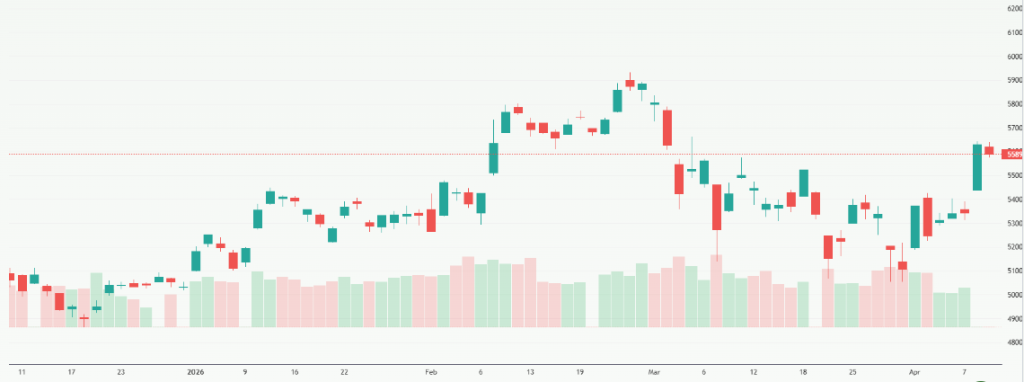
The rally was not driven by strong economic data. Instead, it was mainly a sentiment-driven recovery. Traders moved back into equities after weeks of uncertainty linked to Middle East tensions.
However, analysts warned that volume remained moderate. This suggests investors are still cautious and not fully committed to a long-term bullish trend.
Why are Asia Stocks Rising After Iran Ceasefire News?
The main driver behind today’s rally is reduced fear of a wider Middle East conflict. Markets reacted strongly because:
- Oil supply risks from the Strait of Hormuz have temporarily eased
- Inflation fears linked to energy prices have softened
- Global investors shifted back to risk assets like equities
Oil prices stayed volatile but slightly lower compared to recent spikes, with Brent crude hovering near the $94-$100 per barrel range in recent sessions. This helped ease inflation concerns in energy-importing Asian economies.
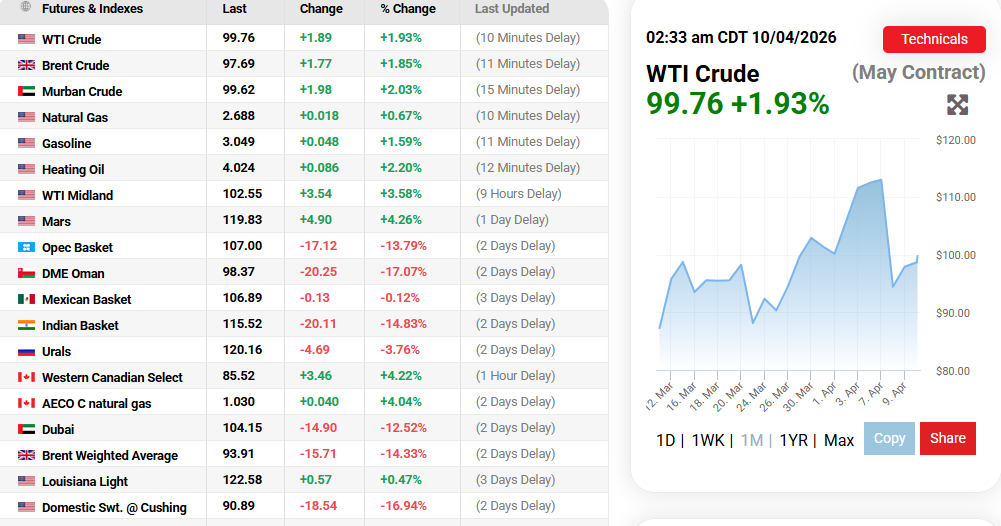
However, experts say the ceasefire remains fragile. Any breakdown could quickly reverse market gains.
China Gains Despite Mixed Inflation: What Is Driving It?
China’s stock market showed resilience even with mixed inflation signals. Recent macro data showed:
- Producer Price Index (PPI) rose about 0.5% year-on-year in March 2026
- This ended a long period of factory-level price weakness
- Consumer inflation remained relatively weak, showing uneven demand recovery
Why are Chinese stocks still rising?
Markets focused more on industrial recovery than weak consumption. Key drivers include:
- Improving factory output expectations
- Stabilization in global commodity prices
- Government support for manufacturing and exports
China’s CSI300 index rose around 1.5%, reflecting cautious optimism.
How are Inflation Trends Affecting Asian Markets?
Inflation remains a key concern for global investors. Energy price sensitivity is still high, even after recent geopolitical easing. Earlier oil shocks pushed inflation expectations higher in major economies, including the U.S., where CPI forecasts stayed above the central bank’s comfort zone in recent readings.
In Asia:
- Import-heavy economies face pressure from energy costs
- Central banks remain cautious on rate cuts
- Currency movements are closely tied to oil price stability
This means even small geopolitical changes can trigger large market reactions.
Sector-Wise Market Movement Across Asia
Different sectors reacted differently to today’s market conditions.
- Technology and semiconductors: Tech stocks gained support from improved risk sentiment and stable global demand outlook.
- Energy sector: Energy stocks remained volatile due to uncertainty in oil supply dynamics.
- Export-driven industries: Manufacturers benefited from improved China sentiment and stable global trade expectations.
Overall, sector rotation is visible. Investors are shifting between defensive and growth sectors depending on news flow.
What Do Analysts Expect Next for Asia Stocks?
Market analysts expect short-term volatility to continue. Key factors to watch:
- Stability of the Iran ceasefire
- Direction of global oil prices
- China’s domestic demand recovery
- U.S. inflation and interest rate outlook
If geopolitical tensions remain calm, Asian equities may continue a moderate upward trend. However, any escalation could quickly trigger risk-off selling.
Many analysts also highlight that current gains are sentiment-driven, not earnings-driven, which limits long-term strength.
AI-based stock analysis tools like Meyka AI stock insight models are also being used by traders to track sentiment shifts, technical patterns, and short-term volatility in Asian indices.
Technical Market Summary – Asia Indices Snapshot
Recent technical trends suggest:
- Nikkei: Trading above short-term moving averages, showing bullish momentum
- Kospi: Strong breakout attempt but near resistance zones
- CSI300: Recovery phase with moderate volume confirmation
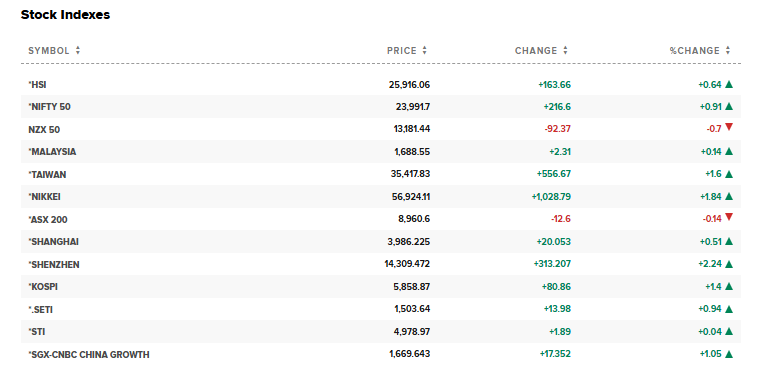
Momentum indicators suggest cautious optimism, but overbought signals may appear if the rally continues without strong fundamentals.
Supporting Analyst Insights and Market Sources
Market commentary is aligned with insights from:
- Reuters market updates on Asia trading sessions
- Bloomberg reports on oil price sensitivity and inflation pressure
- Regional broker notes highlighting China’s mixed inflation recovery
These sources consistently point to one theme: Markets are reacting more to geopolitics than economic fundamentals right now.
Final Words
Asian markets rose as easing tensions around the Iran ceasefire improved global risk sentiment on April 10, 2026. Japan, South Korea, and China all gained, supported by stable oil prices and cautious investor optimism.
However, the rally remains fragile because geopolitical risks and inflation pressures are still unresolved. Market direction in the coming days will depend on whether peace stability holds and how global economic data evolves.
Advertisement
Frequently Asked Questions (FAQs)
Asia stocks are rising on April 10, 2026, due to easing tensions after Iran ceasefire improved investor risk sentiment.
China stocks are gaining as industrial output improves, even with mixed inflation data showing weak consumer demand trends.
Market strength depends on ceasefire stability, oil prices, and inflation trends, so outlook remains uncertain and closely watched.
Disclaimer:
The content shared by Meyka AI PTY LTD is solely for research and informational purposes. Meyka is not a financial advisory service, and the information provided should not be considered investment or trading advice.
Advertisement
What brings you to Meyka?
Pick what interests you most and we will get you started.
I'm here to read news
Find more articles like this one
I'm here to research stocks
Ask Meyka Analyst about any stock
I'm here to track my Portfolio
Get daily updates and alerts (coming March 2026)